
In Kigali, Africa’s Refrigeration Sector Readies Its Voice for MOP38
Ten years after the Kigali Amendment, and as the 38th Meeting of the Parties to the Montreal Protocol approaches, U-3ARC held its 6th Ordinary General Assembly at the ACES Rubirizi Centre. Reports were adopted unanimously, certification centres are under development and women’s mobilisation is growing, but the Union also faces financial fragilities.
Kigali, 29 October 2026.
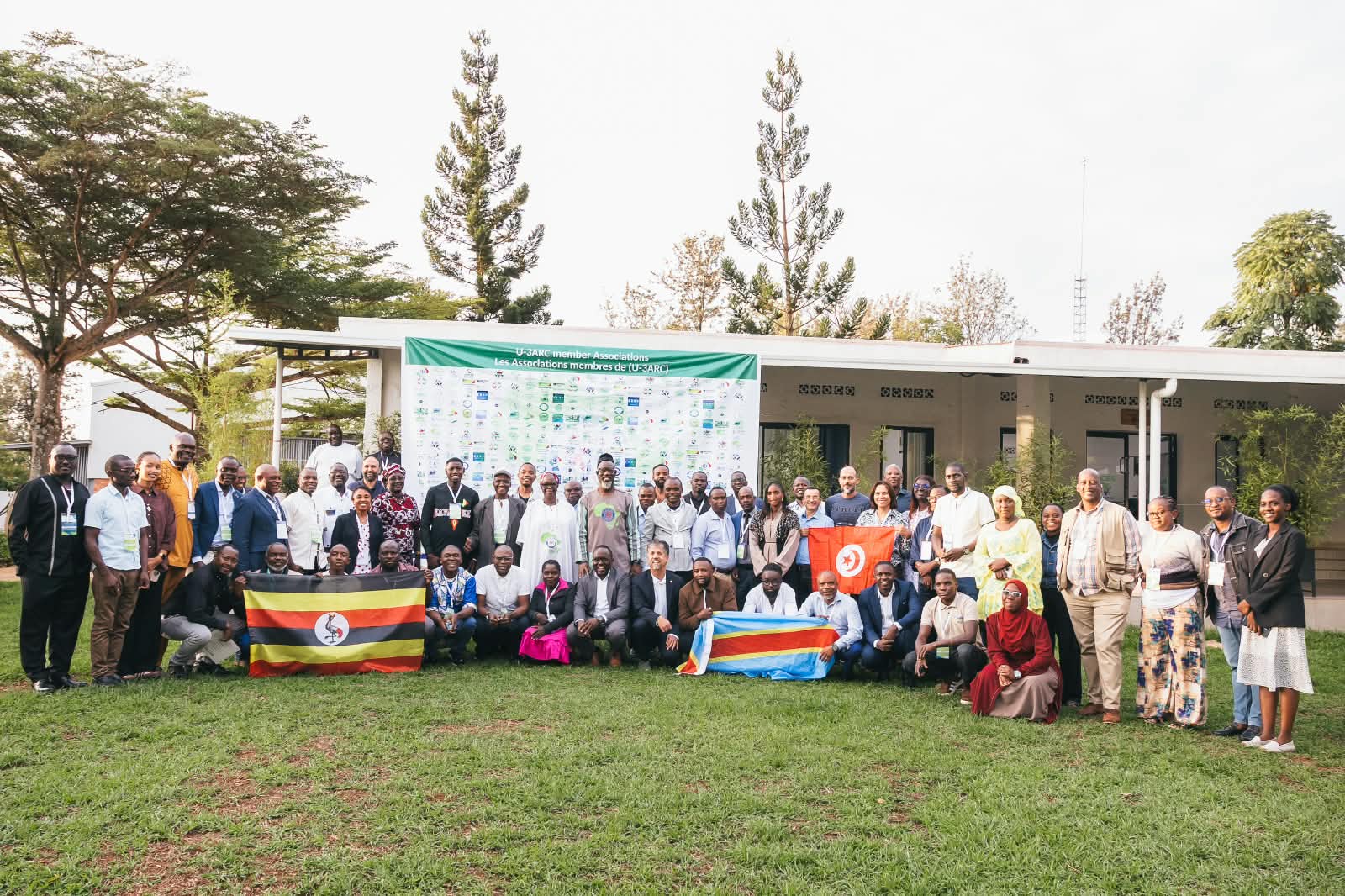
Ten years on, back where it was decided
The venue is no accident. In October 2016, Kigali hosted the adoption of the Montreal Protocol amendment on the HFC phase-down. Ten years later, the Rwandan capital hosts MOP38 in November. The General Assembly of the Union of Associations of African Actors in Refrigeration and Air Conditioning (U-3ARC), opened on 29 October, therefore reads as a strategic positioning move ahead of the negotiations.
“It is not a coincidence. It is a strategy,” said President Madi Sakandé. According to the official minutes, the Union will take an active part in MOP38 with a message centred on defending the continent’s interests.
His diagnosis is blunt. Decisions taken a decade ago were drawn up without enough involvement of African professionals, and introduced technologies requiring skills that remain hard to access for the continent’s technicians. “Africa must no longer be seen as a mere testing ground for technology. It must take full part in choosing solutions that fit its development needs and operational realities,” he said. He calls for more training, better safety conditions and fewer fiscal barriers. UNIDO’s representative, Oluyomi Banjo, also described MOP38 as a “unique opportunity” for African players to be heard.
Accounts adopted, treasury to strengthen
On statutory matters, the Assembly unanimously adopted the moral, financial and activity reports covering November 2025 to October 2026, and mandated the Executive Bureau to continue its work.
Finances remain a point of vigilance. Treasurer General Lassiné Katilé presented the state of membership dues, expenditure and commitments, and called for greater financial mobilisation by member countries to keep the Union running. Princess Juliette Kongo also urged associations to strengthen their financial autonomy, which she called essential to their survival. Deputy Secretary General Alain Tchoua Ndjeudji led a discussion on the areas needing new momentum and the Bureau’s future direction.
The second day showed the cost of volunteer commitment. Opening the trainers’ workshop, Mr Sakandé stressed that this commission works with its own money and its own time, with no support at all, even though it provides much of the Union’s visibility through the monthly trainings held on its platforms.
Skills at the heart of the agenda
This is the core of what Madi Sakandé presents as a “skills revolution”. The Vice-President, Said El Harch said several African certification and training centres are under development, each created after a memorandum of understanding is signed with U-3ARC and with a balanced regional distribution. Rwanda, Tunisia and Burkina Faso are the examples already operational or advanced. A Congolese delegate’s question about technicians who cannot afford training in Europe shows the stakes: making certification accessible on the continent.
The census follows the same logic. More than 5,000 technicians are registered, and the President wants to multiply that figure tenfold. Each delegation was asked to register at least ten new technicians on the platform created in Kigali.
The trainers’ workshop set out its priorities: strengthening capacity, sharing good practice and keeping pedagogical follow-up simple. It also listed shortcomings, their causes and consequences, before submitting proposals to the Executive Bureau. Participants also toured the teaching facilities of the ACES Centre, which hosted the Assembly.
Women and partners in the spotlight
Raoudha Massaoudi, Secretary for Women’s Mobilisation, noted growing participation in the Dr Charity competition. The Honourable Princess Yabré Juliette Kongo/Yabré, the Union’s Ambassador, argued that the cold chain should be treated as a strategic tool for food security, health, sustainable jobs and the energy transition. She called for women to have access to leadership roles, including in public administrations.
At the “Ladies Team” workshop, the Secretary presented the programme for November 2026 to October 2027, built around four axes: awareness and visibility, skills and professional development, industrial engagement and decent employment, and entrepreneurship and partnerships. Monitoring indicators were announced for 2027.
The President thanked ACES Rwanda, the family of Graig Girdlestone, Marco Buoni (Centro Studi Galileo), Stephen Gill (World Refrigeration Day) and UNIDO for their support.
Towards MOP38
The Assembly’s recommendations include institutionalising the African Refrigeration Day and electing the next President in 2027 for a smooth transition.
What matters now is turning these gains into weight at the negotiating table. The Union’s credibility will depend on funding its operations and training at scale. Its message to the world is already written: “We have trained. We have certified. We have advocated. Now, listen to us.”