
Africa, Land of Opportunity for Refrigerant Transition
Madi Sakandé and Basile Seburikoko represented the continent at the global alliance of refrigeration and air conditioning associations.
Author: Lassané OUÉDRAOGO
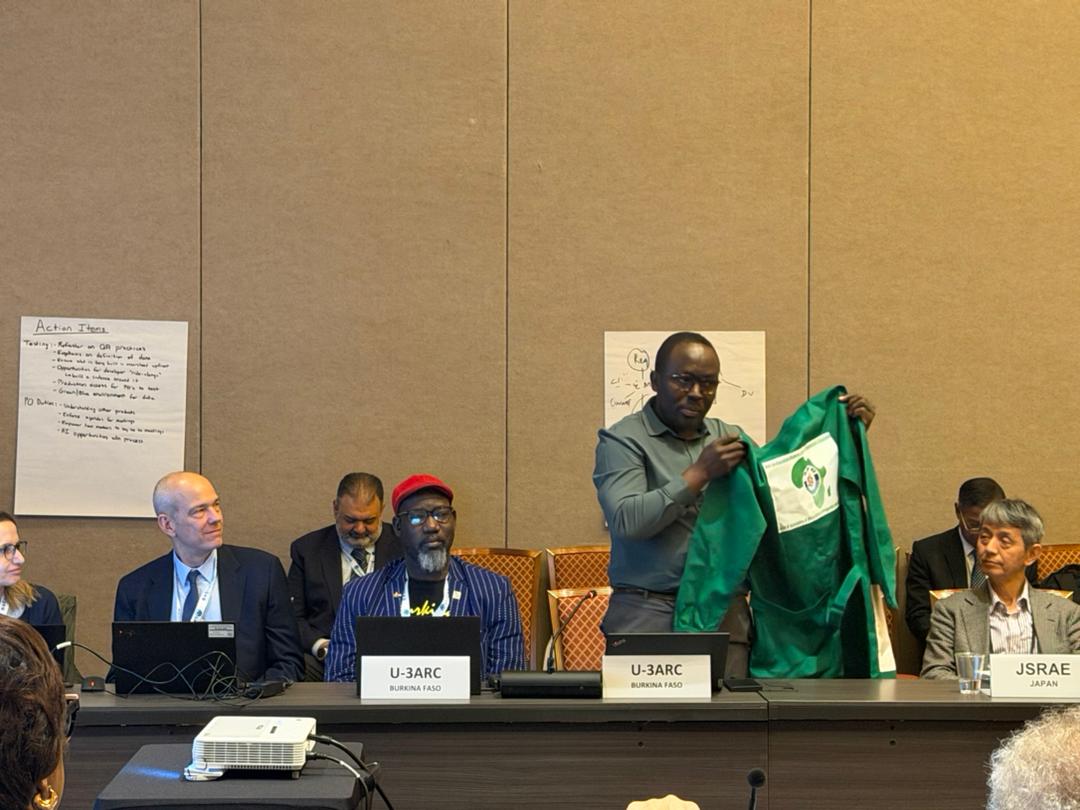
At the internal technical seminar of the AASA (Associate Society Alliance) held in Las Vegas on February 2, 2026, U-3ARC was invited to present a strategic analysis on the opportunities and challenges of the refrigerant transition in Africa. Represented by its President, Madi Sakandé, and its Secretary for Communication and External Affairs, Basile Seburikoko, U-3ARC strongly affirmed the continent's central role in the future of the refrigeration and air conditioning industry.
Before an audience of 62 global HVAC-R associations, U-3ARC presented a balanced overview, highlighting both Africa's immense potential and the concrete obstacles to overcome.
Opportunities: Responsible and Innovative Growth
Africa is experiencing growing demand for cooling, driven by its economic development, food security needs, and health cold chain requirements. This dynamic represents a historic opportunity to adopt sustainable technologies today:
- Environmental Benefits: Alignment with the Kigali Amendment and reduction of GHG emissions.
- Energy Efficiency: Natural refrigerants (hydrocarbons) enable crucial energy savings, facilitate solar and off-grid cooling, and reduce operating costs.
- Economic Development: Stimulation of local manufacturing, innovation, entrepreneurship, and job creation.
- Food Security and Health: Reduction of post-harvest losses, improved distribution of vaccines and medicines.
- Capacity Building: U-3ARC places special emphasis on technician training to master new technologies and alternative refrigerants.
Challenges: A Call for Collective Action
To seize these opportunities, U-3ARC identified major challenges requiring a coordinated response:
- Limited Technical Capacity: Lack of familiarity with flammable refrigerants (R290, R600a) among many technicians.
- Regulatory Gaps: Often weak or inconsistent legislative and certification frameworks.
- Safety: Risks associated with handling new refrigerants in the absence of appropriate standards and equipment.
- Existing Equipment: The large stock of appliances using high-GWP HFCs slows down the transition.
A Strong Initiative: Towards a Universal Dress Code for HVAC-R Technicians
During its presentation, U-3ARC launched an innovative proposal: promoting a professional dress code for refrigeration technicians in Africa, with the ambition that it could inspire a universal standard for the industry. This initiative aims to strengthen professional identity, recognition, and a culture of safety in the field.
Africa, the Future of the RACHP Sector
U-3ARC's message in Las Vegas was clear and hopeful: Africa is not just a growing market; it is the opportunity to build a sustainable, innovative, and inclusive refrigeration industry. The refrigerant transition is the catalyst for this transformation.
Success will come through strengthened partnerships between African associations, industry, governments, and the international community, with one central pillar: massive investment in the training and professionalization of African technicians.